
Residential
Homes
- 10 kW standard home system
- Hybrid backup for essential circuits during grid failures
- Fox ESS, Victron, Sunsynk and Deye inverters
- Certificate of Compliance for every installation
Solar · residential, commercial & industrial
All Electrical Contractors designs and installs residential, commercial and industrial solar in Plettenberg Bay and along the Garden Route: hybrid, grid-tied and off-grid systems sized from your electricity bills, roof space and backup needs.
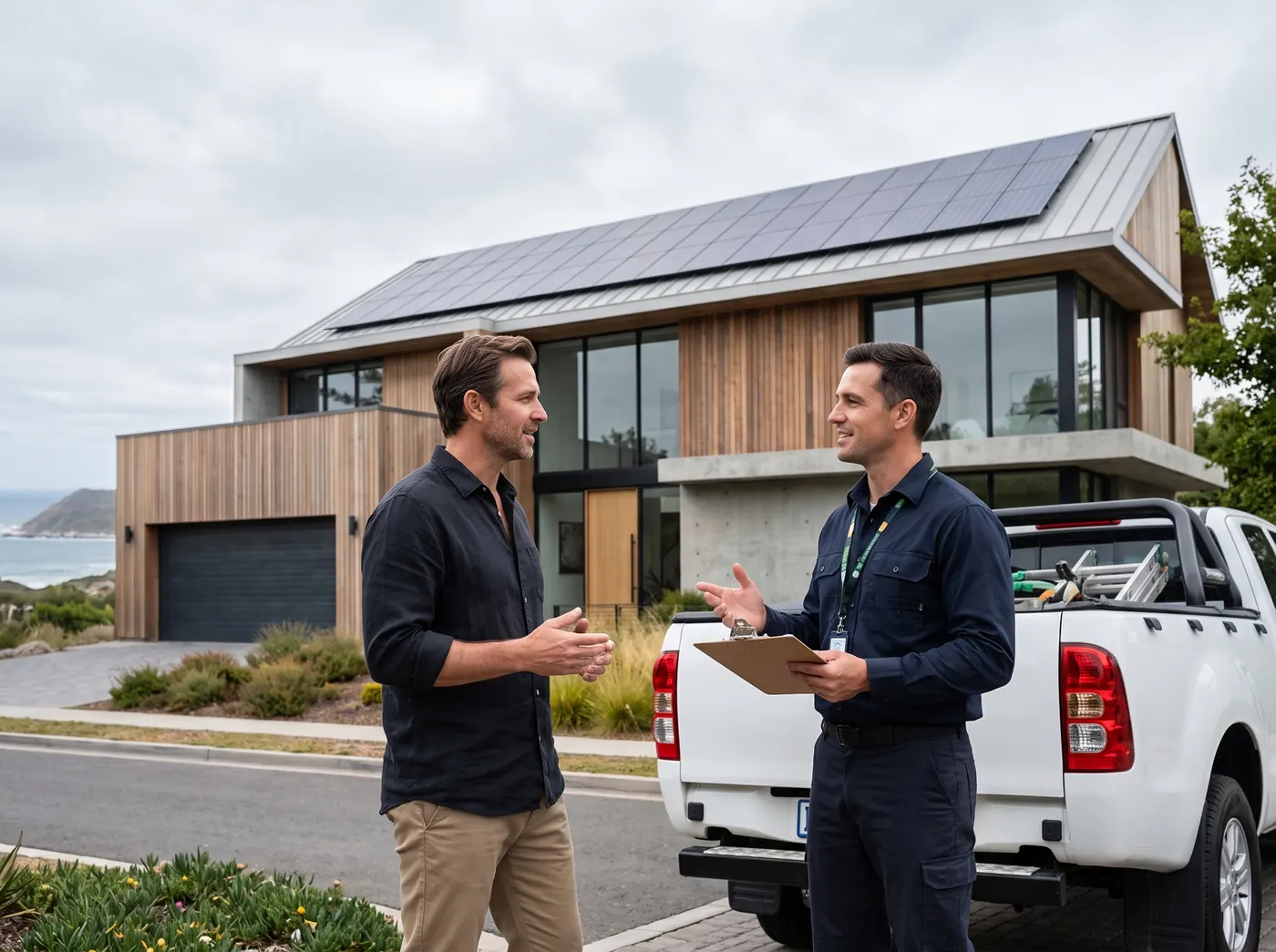
AEC installs solar at every scale, from a 10 kW home system to three-phase commercial and industrial installations, with the same licensed workmanship and Certificate of Compliance.
Residential
Commercial
Industrial
Businesses may qualify for SARS tax allowances on renewable energy assets. Check with your tax practitioner.
Case studyHow a 45 kW system keeps a Plettenberg Bay factory running through grid failures
According to the South African Department of Energy, most areas of the country average more than 2,500 hours of sunshine a year, with solar radiation of 4.5 to 6.5 kWh/m² per day, among the highest in the world.
Electricity tariffs rise every year, and solar panels have no moving parts, so maintenance is minimal. When AEC designs your system, it allows for winter's short days, rain and cloud, so the system is sized for the whole year, not just summer.
These three questions decide the size and cost of your system. AEC works through them with you before quoting.
Step 1
Step 2
Step 3
The hybrid system is the most popular choice: it combines solar, battery and grid, so you get backup power without the cost of going fully off-grid.
| System | How it works | Grid failures | Best for |
|---|---|---|---|
| Hybrid | Solar panels, battery and grid work together. Surplus can charge the battery or feed back to the grid. | Essential circuits keep running from the battery. | Most homes: backup power and lower bills on a realistic budget. |
| Grid-tied | Solar panels feed your home and the grid. No battery. | Switches off during a grid failure, even in full sun. | Cutting daytime bills at the lowest cost. |
| Off-grid | Solar panels and batteries only, with no grid connection. Excess energy is wasted once the battery is full. | Unaffected, because there is no grid supply. | Remote sites or owners prepared to invest in a large system. |
Feeding energy back to the grid requires registering your system with your municipality as Small-Scale Embedded Generation (SSEG). Each municipality sets its own credit rates and rules. A municipal availability charge usually still applies while you are connected to the grid.
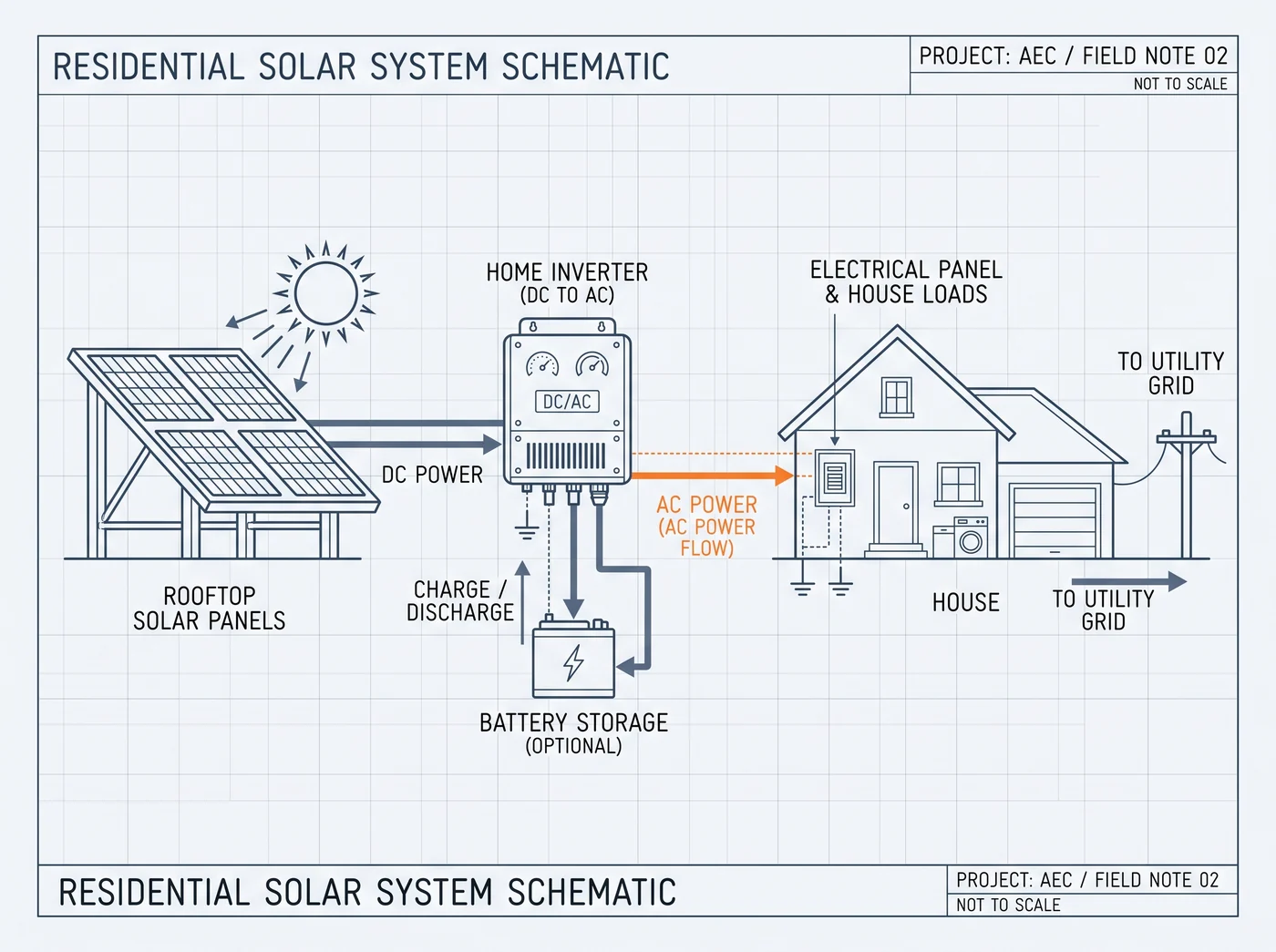
Panels produce DC power. The inverter converts it to AC power for your home, charges the battery, and exchanges power with the grid. The battery stores energy for the evening and during grid failures.
Panels are rated under ideal test conditions (25 °C, perfect tilt and direction), so real-world output is lower, especially in winter, when peak sunlight drops to about 4 to 6 hours a day.
Compare the Fox ESS, Victron, Sunsynk and Deye systems AEC installsInverters & batteries · four brands
AEC supplies and installs Fox ESS, Victron Energy, Sunsynk and Deye inverters and lithium batteries for homes and businesses in Plettenberg Bay and along the Garden Route, and recommends the brand that fits your budget, backup needs and expansion plans.
All four keep essential circuits running during grid failures. They differ in battery type, how modular they are, and how far they scale.
| Brand | Best known for | Battery type | Home range | Monitoring |
|---|---|---|---|---|
| Fox ESS | High-voltage hybrids and all-in-one units | High-voltage LFP | 3 kW to 11 kW | FoxCloud app |
| Victron | Modular off-grid and backup systems | 12V, 24V or 48V | 3,000 VA to 15,000 VA | VRM portal (Cerbo GX) |
| Sunsynk | 48V hybrids with matching batteries | 48V LiFePO4 | 3.6 kW to 8 kW single-phase | Wi-Fi monitoring |
| Deye | 48V hybrids with generator support | 48V lithium (LFP) | 3.6 kW to 10 kW | Wi-Fi monitoring |
High-voltage hybrids · all-in-one
Fox ESS pairs hybrid inverters with high-voltage lithium batteries for high round-trip efficiency, and offers all-in-one systems that combine the inverter and battery in one unit. Monitoring is through the FoxCloud app.
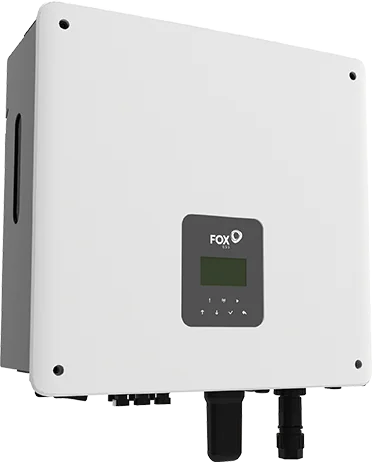
Hybrid inverter · single-phase
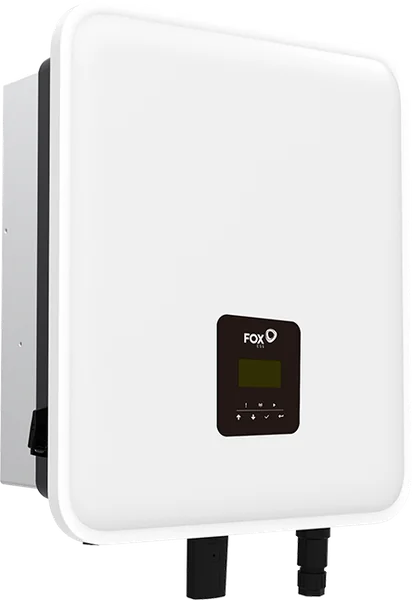
Hybrid inverter · single-phase
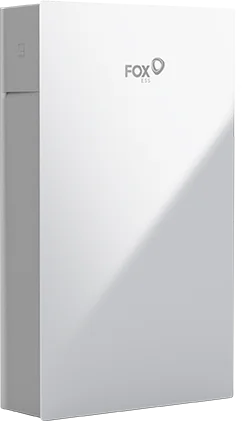
All-in-one system
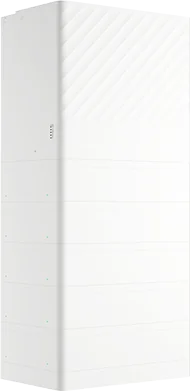
All-in-one system · modular
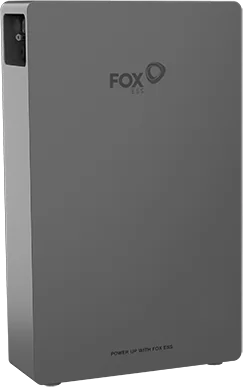
High-voltage battery
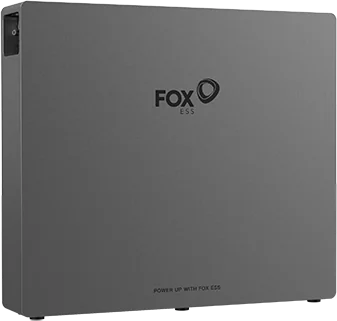
High-voltage battery
Images and specifications from Fox ESS South Africa (za.fox-ess.com). Model availability changes; AEC confirms the right model and stock before quoting.
Modular · off-grid · backup
Victron Energy builds modular systems from separate components: an inverter/charger, a solar charge controller and a monitoring hub. That flexibility suits off-grid homes, farms and larger backup systems. Victron products carry a 5-year standard warranty. See our three-phase Victron factory installation
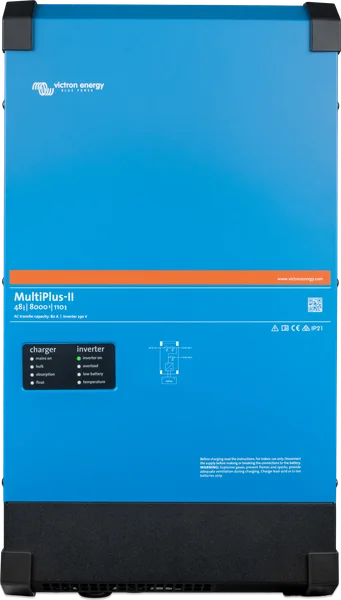
Inverter/charger
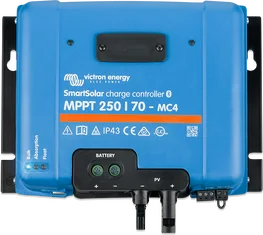
Solar charge controller
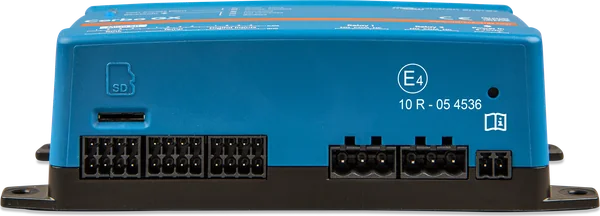
Monitoring hub
Images and specifications from Victron Energy (victronenergy.com). Model availability changes; AEC confirms the right model and stock before quoting.
48V hybrids · lithium batteries
Sunsynk hybrid inverters manage solar, battery, grid and generator power for homes on a standard single-phase supply, with larger and three-phase models for bigger properties. Sunsynk's 48V lithium batteries communicate directly with its inverters.
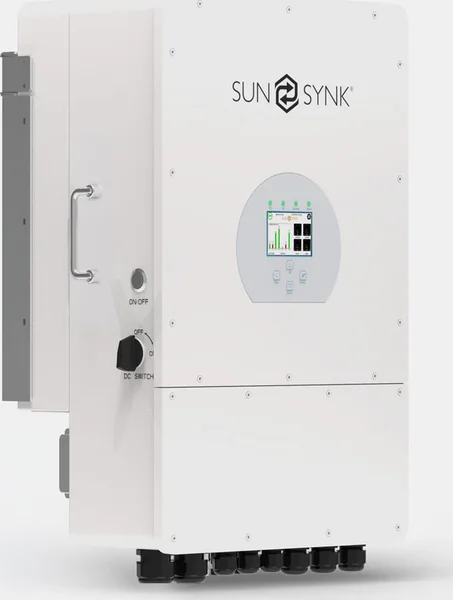
Hybrid inverter · single-phase
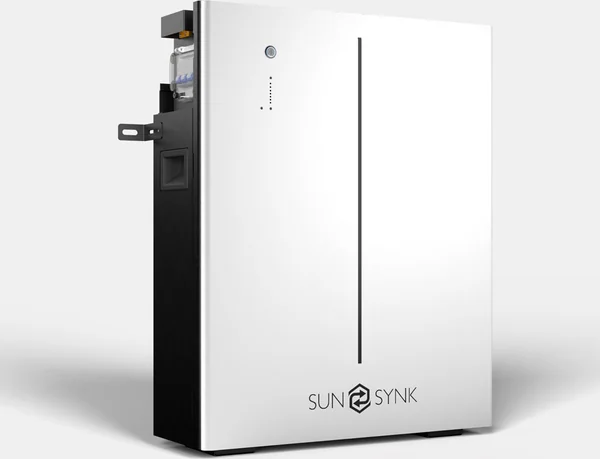
48V lithium battery
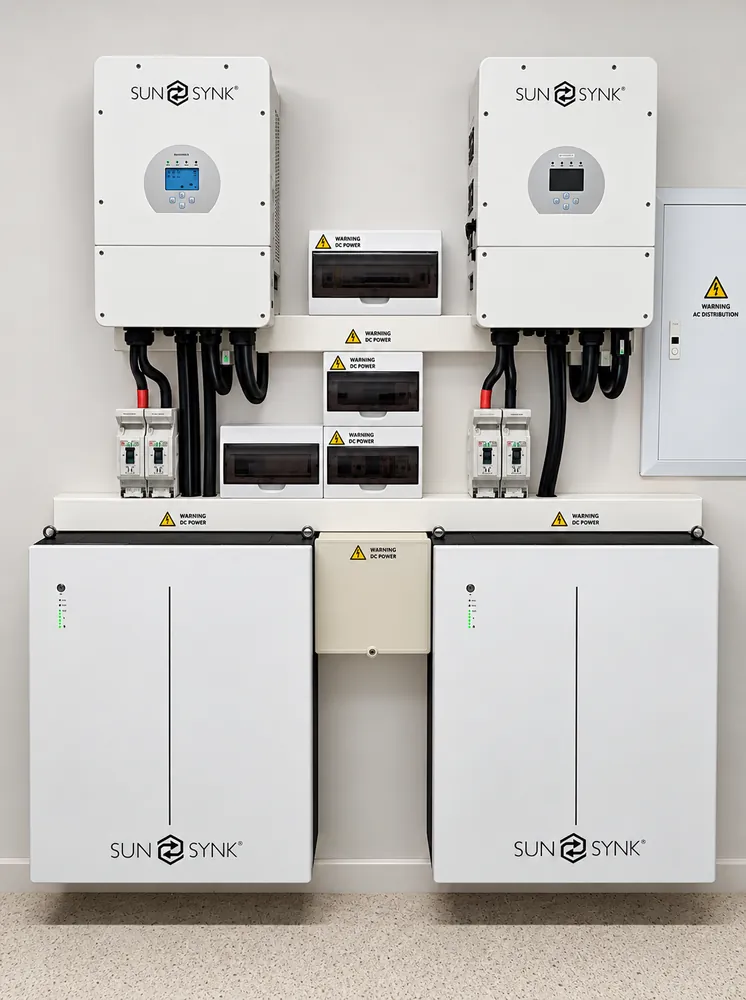
Installed by AEC
Images and specifications from Sunsynk (sunsynk.org). Model availability changes; AEC confirms the right model and stock before quoting.
48V hybrids · generator ready
Deye's single-phase low-voltage hybrid inverters run on 48V lithium batteries, can store energy from a diesel generator, and can run up to 16 units in parallel for larger systems.
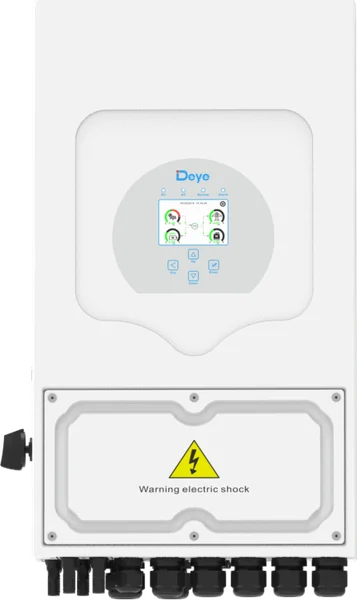
Hybrid inverter · single-phase
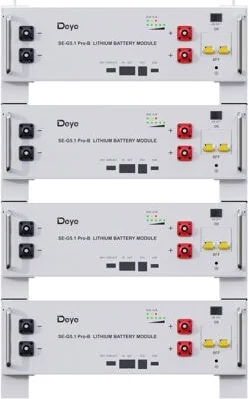
48V lithium battery
Images and specifications from Deye (deye.com). Model availability changes; AEC confirms the right model and stock before quoting.
Solar, inverter and battery systems installed by AEC along the Garden Route. Each installation is designed around the property, the equipment and the space available.
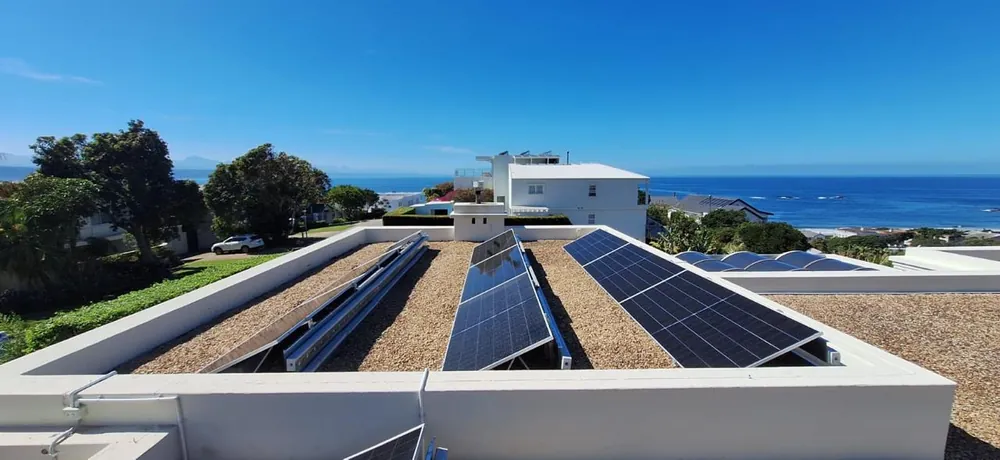
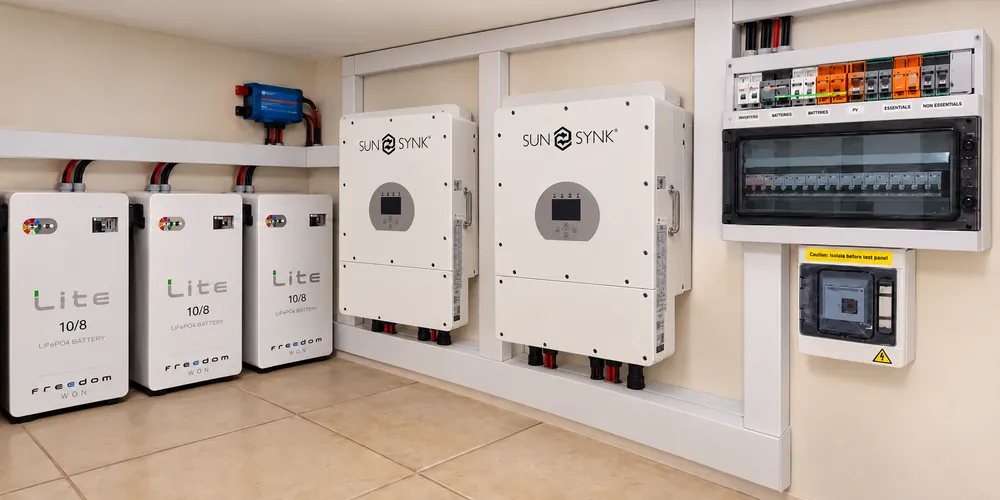
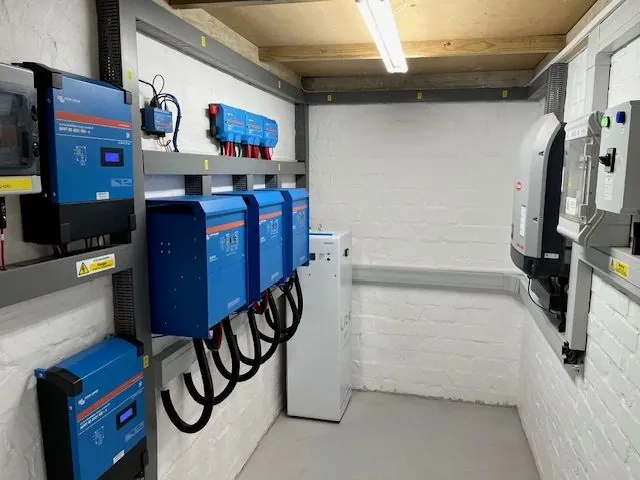
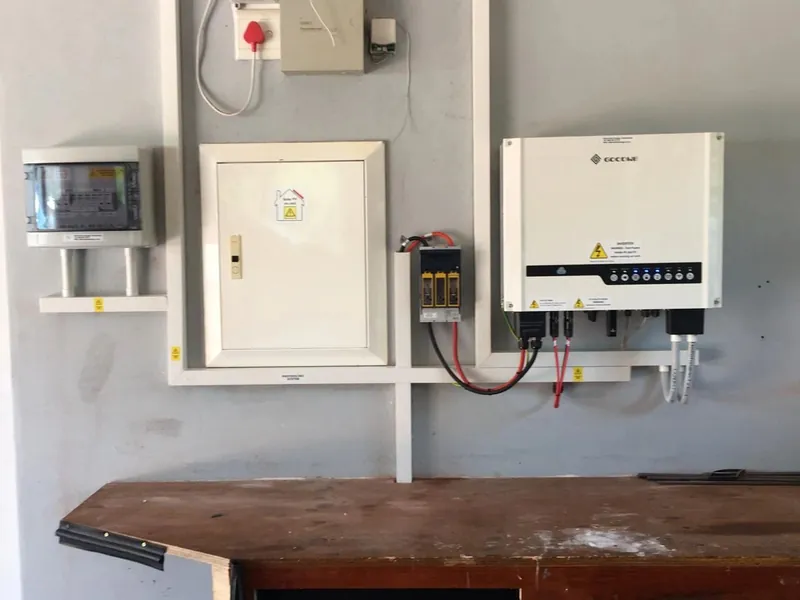
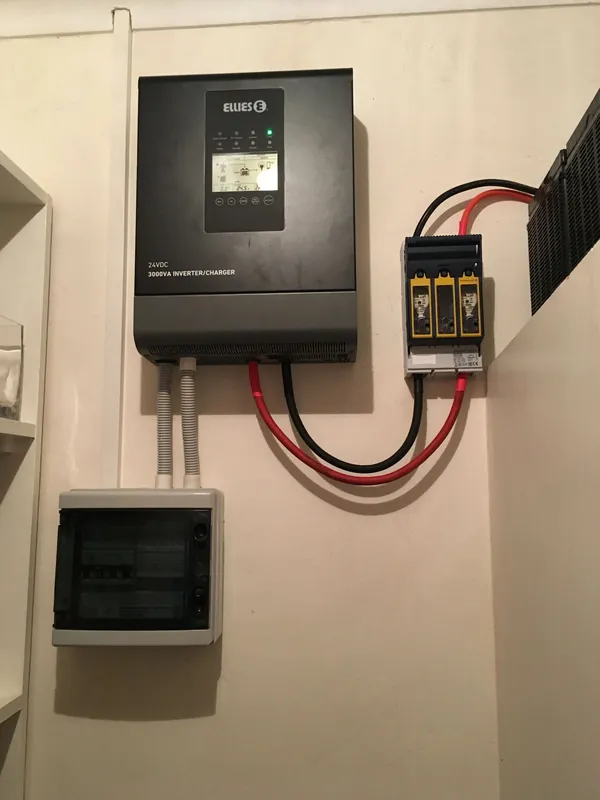
Based in Plettenberg Bay. AEC installs solar for homes and businesses along the Garden Route.
What Garden Route homeowners and businesses ask AEC most, from system types to inverter brands and repairs.
There are three types of 10 kW solar system. A 10 kW hybrid system combines solar panels, a battery and the grid, so it keeps your essential circuits running during grid failures and can export surplus power. A 10 kW grid-tied system has no battery, which makes it the most affordable, but it shuts down during grid failures, even in full sun. A 10 kW off-grid system has no grid connection at all and runs only on panels and batteries, so it needs the most battery storage and the biggest budget.
AEC's standard home system is 10 kW. Share your last three months of electricity bills and the appliances you want to run during a grid failure, and AEC will set the battery capacity by how long you want backup power to last.
A hybrid or off-grid system with a battery keeps the circuits connected to it running during grid failures. A grid-tied system without a battery switches off during a grid failure, even in full sun.
Load shedding is a planned, scheduled power cut, made in rotating blocks to protect the national grid when supply runs short. A grid failure is any loss of grid power, planned or not, including load shedding, network faults, storm damage, cable theft and substation failures. A hybrid system with a battery keeps your essential circuits running through both.
Yes, if your system is registered with your municipality as Small-Scale Embedded Generation (SSEG). Credit rates and approval rules are set by each municipality.
Yes. AEC is a licensed electrical contractor registered with the Electrical Contracting Association of South Africa (ECA), and every installation is issued with a Certificate of Compliance (CoC) that you can submit to your insurer and local authority.
Yes. All Electrical Contractors is based in Plettenberg Bay and installs residential, commercial and industrial solar along the Garden Route.
Yes. AEC designs and installs commercial and industrial solar for offices, shops, guest houses, factories, workshops and farms along the Garden Route, including three-phase systems with battery storage. Each system is sized from the site's electricity bills and demand.
It depends on your home and goals. Fox ESS suits homeowners who want high-voltage batteries or an all-in-one unit; Victron suits off-grid and highly customised systems; Sunsynk and Deye suit 48V battery systems on a standard single-phase supply, with Deye also supporting generators. AEC recommends a brand and size after reviewing your electricity bills and backup needs.
High-voltage batteries, such as Fox ESS EP5 and EP11, run at a few hundred volts, which reduces current and losses between the battery and inverter. Low-voltage 48V batteries, used with Sunsynk, Deye and most Victron systems, are widely available and easy to expand module by module. Both use lithium iron phosphate (LFP) chemistry.
All four. Fox ESS, Victron, Sunsynk and Deye hybrid and inverter/charger systems switch essential circuits to battery power during a grid failure. Backup time depends on battery capacity and the load you run.
Yes, with every brand AEC installs. Fox ESS EP batteries expand to four units, Sunsynk 48V batteries scale up to 81.6 kWh, Deye SE-G5.1 Pro-B modules run up to 64 in parallel, and Victron systems are modular by design. AEC plans room for expansion at installation.
Yes. Fox ESS, Sunsynk and Deye all make three-phase hybrid inverters for commercial and industrial sites, with Sunsynk's range reaching 80 kW, and Victron MultiPlus-II units can be combined into three-phase systems. AEC sizes commercial and industrial systems from the site's demand.
Yes. AEC diagnoses solar, inverter and battery faults on site, including systems AEC did not originally install. If a unit needs a factory-level repair, AEC works directly with the manufacturer's repair technicians and arranges to send the unit away if necessary. Describe the brand, model and fault when you enquire.
Have your last three months of electricity bills handy. AEC sizes every system from your bills, roof space and backup needs.
Monday–Friday8am–5pm
Saturday–SundayBy appointment
Your enquiry is emailed straight to AEC. Attach a photo of your electricity bill, your roof, or an inverter's label or error screen below if it helps. Prefer to talk? Call 060 367 3774.